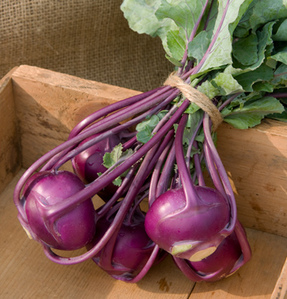
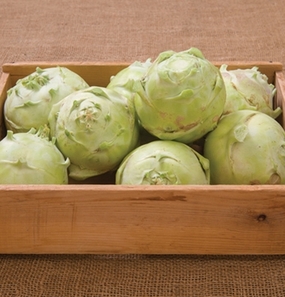
In Season Purple kohlrabi is available early summer through early fall. Our larger green kohlrabi is a cool weather storage crop and is best in the fall and it will store through the winter. Storage Tips Trim the leaves off, and store separately in a plastic bag. Kohlrabi can be refrigerated in your crisper drawer for several weeks. Culinary Tips
5 tasty ways to prepare Kohlrabi Vegetarian Spring Rolls with Kohlrabi Kohlrabi Home Fries Kohlrabi & Turnip Slaw Kohlrabi & Apple Slaw Grated Kohlrabi, Carrot, Radish Salad Kohlrabi Chips Sautéed Kohlrabi with Onions & Cream Roasted Kohlrabi and Butternut Kohlrabi with Cilantro & Nuts
In Season
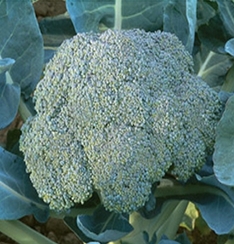
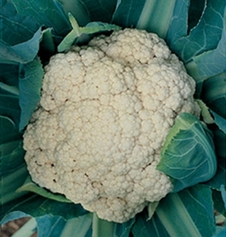
Broccoli and cauliflower love cool weather so we plant three successions early in the spring and harvest in early summer, and we plant two successions in the fall. Storage Tips store for up to 1 week Refrigerate in a perforated plastic bag. For longer storage, remove leaves and trim off any woody ends to the stalk; cut into uniform pieces. Blanch for 3-5 minutes, cool immediately, and drain. Pack in containers, leaving 1/2 in. headroom, and freeze. Culinary Tips
Recipes Root 5 Farm Quinoa with Maple Beets, Garlic Scapes, and Broccoli How To Roast Broccoli Chicken Divan Sesame Broccoli Broccoli and Orzo Broccoli Cheese Frittata Parmesan Roasted Cauliflower Mashed Potato & Cauliflower Gratin Roast Chicken with Cauliflower and Sweet Potatoes
In Season
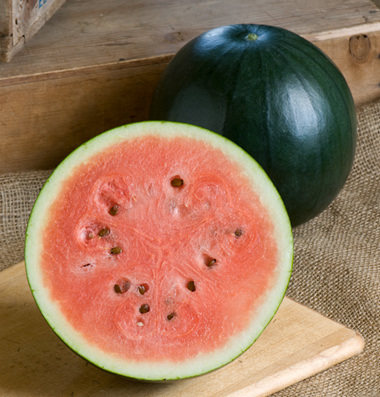
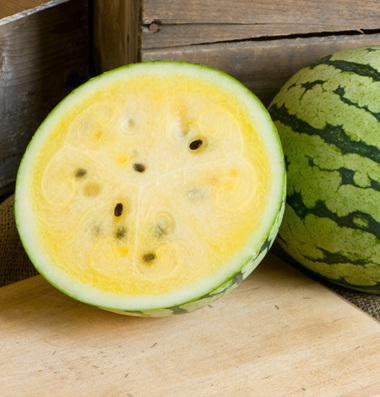
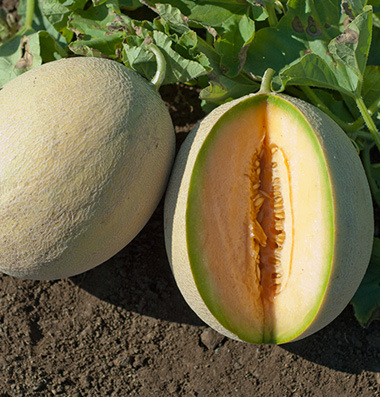
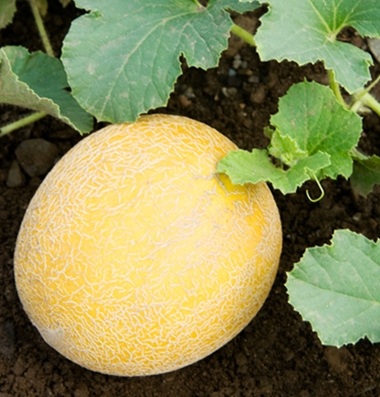
August-September Storage Tips up to 1 week If your melon is not-quite-ripe, you can ripen at room temperature for up to 2 days (keeping it in a closed paper bag will speed up the process). Refrigerate a whole ripe melon for up to 5 days. For cut wedges of cantaloupe, cover the surfaces and refrigerate for up to 3 days (if possible, leave the seeds intact; they prevent the flesh from drying out). Cubes without the seeds will last 1 to 2 days in a resealable container in the refrigerator. If you have a dehydrator, you can preserve melon slices for a sweet winter treat. Recipes Melon Reflections... Tomato and Watermelon Salad Melon Panzanella Watermelon Cucumber Burrata Salad Watermelon, Arugula, and Feta Salad with Honey Lemon Vinaigrette Watermelon Mint Sorbet Watermelon Popsicles 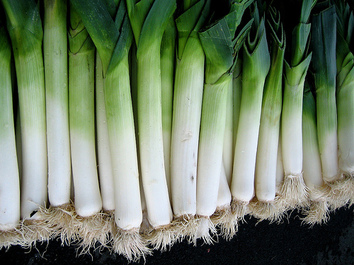 In Season
August through November Storage Tips several weeks Refrigerate leek unwashed with roots attached for up to two weeks. Wrap tightly in plastic so the flavor isn't absorbed by other foods. Get some great tips for freezing leeks here. Cleaning Tips To grow the best leeks we mound the soil up around the base of the plant to encourage a long white stem. This means it's important to clean your leeks thoroughly so you don't end up with any grit on your plate.
In general, leeks can be substituted for onions in most dishes using onions for flavoring. When cooking leeks as a side dish, it is important they not be overcooked. Overcooking will turn them into a slimy mush. They should be cooked until tender but still exert a little resistance when pierced. The dark green trimmed leaves may be used to flavor stock or blanched and used as a wrapper for any variety of fillings. Raw leeks may be sliced thin and added to salads. Recipes Frizzled Leeks (Crispy Fried Shredded Leeks) Okonomiyaki (Japanese Pizza Recipe) Carrots and Leeks Potato Leek Soup Roasted Delicata Squash, Kale, and Leeks
In Season
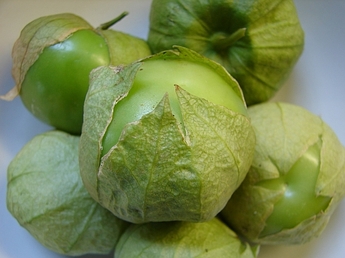
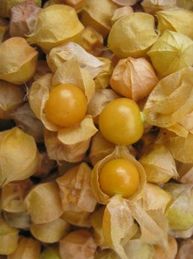
Late August- September Storage Tips Hold tomatillos and husk cherries at room temperatures with the husks on. Tomatillos will keep this way for 2 weeks or more. Husk cherries can last for up to 3 months, and actually get sweeter the longer they are stored after harvest. Culinary Tips Tomatillos and husk cherries both belong to the nightshade family, and although they look very similar, they taste very different. Both fruits grow like paper lanterns, enclosed in an inedible husk. Tomatillos are medium sized with a tart green fruit, while ground cherries have a small sweet orange fruit. Tomatillos:
Recipe Ideas Root 5 Farm Salsa Verde Tomatillo Soup with Avocado and Lime Green Chili Enchiladas Tomatillo Chicken Stew Husk Cherry Salsa Ground Cherry Clafoutis (dessert) Ground Cherry Preserves Baked Italian Sausage and Potatoes with Husk Cherries
IN SEASON
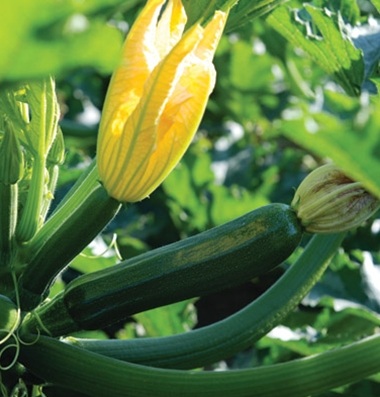
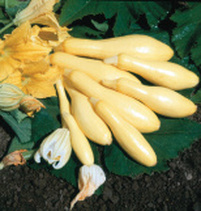
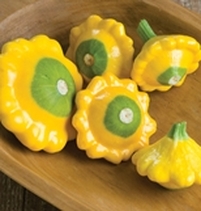
June-August “Summer squash” is the umbrella term for a wide variety of lovely, tender squashes, harvested before full maturity to ensure mild flavor and texture. STORAGE TIPS up to 1 week Summer squash dehydrates quickly. Store in a plastic bag or in the hydrator drawer of your fridge for a few days. To freeze: wash, cut off ends, and slice. Blanch in boiling water for 3 minutes, cool immediately, drain, and pack - leaving 1/2 inch headroom. CULINARY TIPS
Root 5 Farm Stuffed Squash Cream of Summer Squash Soup Zucchini Frittata Roasted Zucchini Flatbreads Squash Ribbon Salad Carrot-Zucchini Pancakes Zucchini Fritters
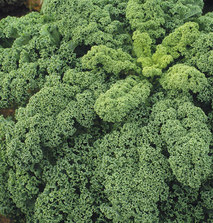
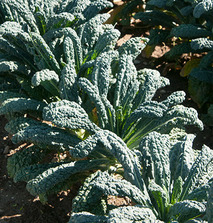
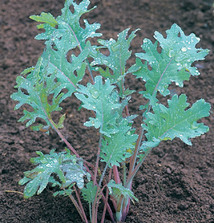
IN SEASON June- December STORAGE TIPS up to 1 week Store kale in a plastic in the refrigerator. To freeze, and cut out the midrib and stem and chop into uniform pieces; wash thoroughly. Blanch for 2 minutes in boiling water, cool immediately, and drain. Pack into containers, leaving 1/2 inch headroom, and freeze. CULINARY TIPS
RECIPES Root 5 Farm Kale Recipes Sauteed Kale Braised Kale Kale and Cucumber Salad with Roasted Ginger Dressing Roasted Red Pepper and Kale Frittata Stuffed Sweet Potatoes with Beans and Greens Raw Kale Salad Kale and Onion Pizza Kale Chips! Kale with Chorizo Beans with Kale and Portuguese Sausage Roasted Spaghetti Squash with Sausage and Kale 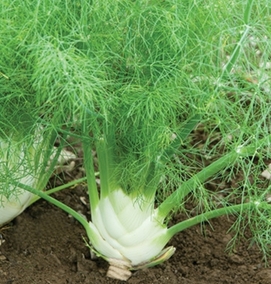 In Season June-October Storage Tips up to 2 weeks Stored in a refrigerator crisper drawer, fennel can last for two weeks, but it is best to use fennel as soon as possible, since it begins to lose its flavor as it ages (or when blanched and frozen for later use). Culinary Tips All parts of the fennel plant are edible - from seed to flower to frond to bulb. The bulb of the vegetable is commonly baked or served raw in salads, and the feathery tops are used raw as an herb in salads or are cooked in braised dishes, particularly with fish. The bulb itself is a crisp vegetable that can be sautéed, stewed, braised, grilled, or eaten raw. It is used for garnishes and to add flavor to salads. Recipes Fennel and Blood Orange Salad Green Bean Salad with Fried Almonds and Fennel Caramelized Fennel with Goat Cheese Beet, Carrot, and Fennel Slaw Roasted Winter Vegetables Braised Baby Fennel Roasted Fennel and Baby Carrots 5 Ways to Use Fennel Stalks and Fronds
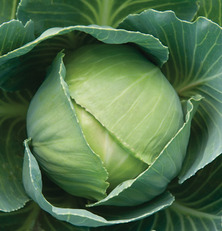
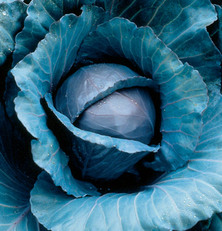
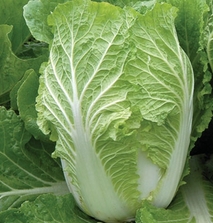
In Season June-December Storage Tips Cabbage will store in your fridge for several weeks. If the outer leaves start to wilt or discolor, you can usually peel back a few layers to a fresh interior. Though you might be tempted to clean it up right away, don’t! The outer leaves help keep the inner leaves fresh, so leave them on until you’re ready to use the cabbage. Once cut, store cabbage in a plastic bag. For longer storage, trim off outer leaves and cut out central stem (like you would with a tomato) and chop or shred into whatever size you like - so long as the pieces are uniform. Blanch in boiling water for 1.5 minutes; cool immediately and drain. Pack in containers, leaving 1/2 in. headroom, and freeze. Culinary Tips When preparing green and purple cabbage, start by quartering the head and cutting out the core. While cabbage is best known for its starring role in cole slaw (see some of the links below for creative slaws), it’s actually a very versatile crop. All varieties can be eaten raw or cooked. With its more delicate leaf, Napa works especially well in a fresh, summer salad. Try finely slicing or grating Green or Purple varieties to add a little crunch to any raw dish. When cooked, the Green and Purple varieties hold their shape more than Napa (which, like other greens tends to wilt a little more when heated), which makes them a great addition to any stir fry or sauté. Recipes Root 5 Farm Napa Cabbage Slaw Diane Anderson’s Cabbage with Sausage Hearty Chicken Soup Cabbage Caraway Chips Green Onion and Cabbage Slaw Cabbage and Mushroom Gallette Asian Style Spicy Coleslaw Crunchy Coleslaw with Cayenne and Caraway Seeds Traditional Napa Cabbage KimChi Quick Kim Chi Napa Cabbage Salad with Buttermilk Dressing Beef and Napa Cabbage Stir Fry Tacos with Winter Vegetables and Purple Cabbage Slaw 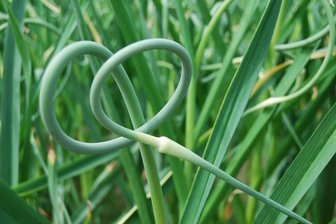 In Season
July Storage Tips up to 10 days Keep scapes in a plastic bag in your fridge. Culinary Tips Garlic scapes are the soft, lime-green-colored stems and unopened flower buds of hard-neck garlic varieties. Scapes have a mild garlic flavor and a slight sweetness, which makes them a prized addition in the kitchen. Scapes are very versatile in the kitchen. They can be processed into a pungent pesto, placed whole on the grill like asparagus, or diced up and used as an aromatic in a saute. You can substitute scapes for garlic cloves in any recipe, however they are not as pungent in flavor so double or triple the amount of scapes you use compared to cloves. Recipes Root 5 Farm Quinoa with Maple Beets, Garlic Scapes, and Broccoli 7 Things to do with Garlic Scapes Pasta with Garlic Scape Pesto Garlic Scape and Swiss Chard Pesto Basil and Garlic Scape Pesto White Bean and Garlic Scape Hummus
In Season
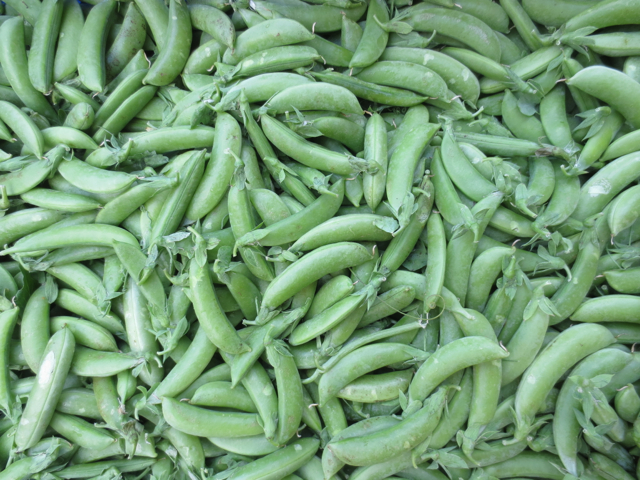
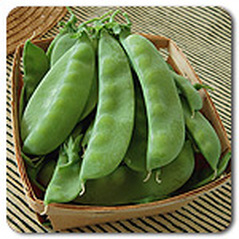
June-July Storage Tips Refrigerated in a plastic bag, they should last at least about a week to ten days. If you won't get around to eating them right away, peas are very easy to freeze. Blanch in boiling water for 1 minute, followed by an ice bath. Drain the and place them in a ziplock bag in the freezer. Culinary Tips Because they are so sweet, peas are great raw and are most often used in salads. Their flavor, texture and color can also all be improved by cooking – most simply steamed, or sautéed in olive oil with a bit of salt and pepper or added to any kind of stir fry. Both Snow Peas and Sugar Snap Peas have edible pods and are delicious to eat whole and raw. Just pop the top off and peal the string down the side. Recipes Seasame Cucumber Snow Peas Quick Stir Fried Snow Peas How to Freeze Peas Perfectly Simple Fresh Buttered Peas Pea and Crab Salad Sugar Snap Pea Slaw Spring Salad with Snow Peas, Cucumbers, and Radishes Lemony Green Peas in a Pod 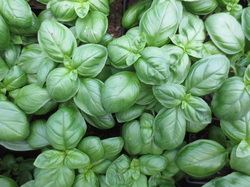 In Season
June-September Storage Tips Place the stems of your bunch of basil in a glass of water on your countertop. Don't store your basil in the fridge! This is what causes the leaves to blacken quickly. It's also advisable not to wet the leaves until you are ready to use them. To preserve excess basil, hang the bunch upside down to dry, then crumble into a glass jar. Or try freezing it as a puree – just mix up a 2:1 ratio of oil to chopped basil and spoon into an empty ice cube tray. Once frozen, the cubes can be taken out of the tray and stored in any airtight container. Culinary Tips Most commonly used in pesto, chopped basil also makes a great addition to any salad, pizza or pasta dish. While it is tastiest raw, it can also be cooked down in something like pasta sauce. When making pesto, make sure to coat the top of your container with oil to create a seal limit the oxidation (browning) that occurs when your basil hits the fridge. Recipes Root 5 Farm Basil Pesto Peach, Mozzarella and Basil Salad One Pan Farro with Tomatoes and Basil Naked Tomato Sauce Basil Pesto 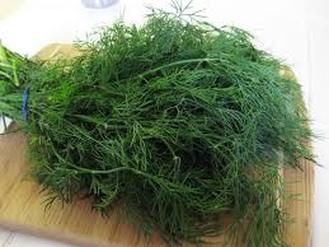 In Season
May-September Storage Tips up to 1 week Store in an open plastic bag in your fridge until ready to use. If you won't use it all right away, simply dry your dill bunch by hanging it upside down in a cool, dark dry part of your kitchen for two weeks, then crumble the leaves into a glass jar for storage. Culinary Tips Fragrant, sweet dill brings a touch of brightness to everything Provides a tangy addition to pickles, fresh salads, salad dressings and fish dishes. Dill pairs wonderfully with radishes, salad turnips, cucumbers, summer squash and more! Recipes How To Freeze and Preserve Fresh Herbs in Olive Oil How To Dry Herbs At Home Smoked Salmon and Dill Quiche Lemon Dill Marinade Lemon Yogurt-Dill Dressing 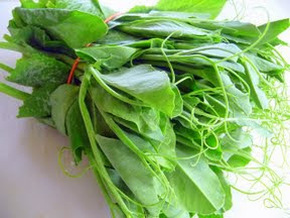 In Season
Pea tendrils, the leaves and vines of the pea plant, are only in season for a very short time in the spring. We harvest them off our cover cropped fields of oats and peas when the plants are young and tender. Storage Tips Since they are a delicate green, they should be eaten within a day or two of harvest. Store in a plastic bag in the fridge until ready to eat. Culinary Tips -They are a delicate and tender green with a robust flavor that can be eaten raw or cooked very quickly. -The stems, leaf, and tendril are all edible -You can eat pea shoots raw in a fresh salad; they can take the place of the more traditional lettuce or simply enhance it with pea shoot's spring flavor. You can stir fry them with sesame oil and garlic, as has long been done in Asian cooking. These greens can also brighten up a spring pasta dish, contributing a fresh, soft taste. Recipes Sauteed Pea Tendrils Pea Tendril and Pistachio Pesto Spinach and Pea Shoot Salad with Honey Lemon Vinaigrette 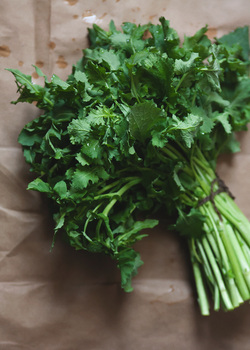 In Season Broccoli Rabe is a cool weather crop, it grows best in the early spring and late fall. Storage Tips (7 days) Place greens in a plastic bag and refrigerate. Greens will hold their flavor for up to a week. Culinary Tips Remove greens from the larger stems and chop. Chop stems, some people like to pound the stems to make them more tender 2-3 inch pieces take about 5 minutes to steam Sauté chopped garlic in olive oil for a few minutes and then add the chopped stems and continue to sauté for a few more minutes. Then add the chopped greens and a few tablespoons of water and cover. Cook for 3-5 minutes until greens turn dark green and tender but not mushy. Mixed steamed or braised broccoli rabe with pasta and serve with grated parmesan cheese The bitter, earthy flavor of rabe pairs perfectly with creamy, salty cheeses Recipes Root 5 Farm Broccoli Raab, Tomato and Basil Pasta Pasta with Garlicky Broccoli Rabe Sauteed Broccoli Raab Baked Broccoli Rabe with Parmersan Broccoli Rabe with Pasta and Sun Dried Tomatoes Broccoli Rabe and Egg Pizza Broccoli Rabe with Caramelized Onions Orecciete with Broccoli Rabe and Sausage
In Season
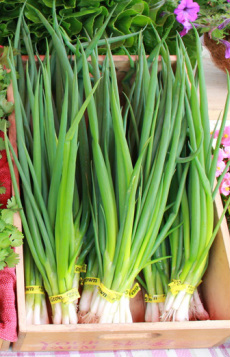
Spring, Summer, Fall Storage Tips Store up to 2 weeks Store in the refrigerator in a loose plastic bag. Culinary Tips Prepare by trimming the green tops and cutting the roots off and then rinse thoroughly with cold water. Chop the stalks and bulb to your desired size. The tops of scallions can be substitutes for chives in many recipes. Raw scallions match well with meats, cheese, or fish. Whole scallions can also be steamed, roasted, or grilled and served like asparagus. Recipes Shrimp and Scallion Stir-Fry Seared Scallions with Poached Eggs Batter-Fried Scallions Grilled Scallions Korean Scallion Salad Recipe
In Season
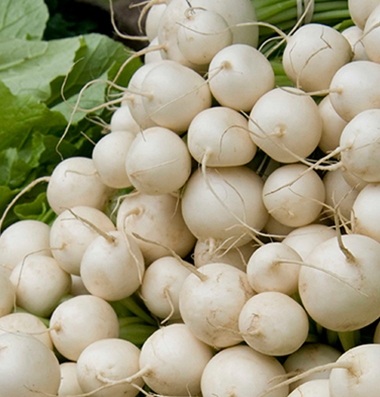
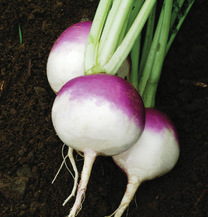
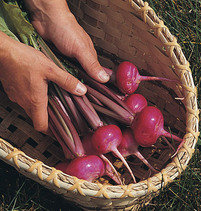
Turnips are cool weather crops. Hakurei Turnips show up early in the spring, take a break for the heat of summer, then show up again in the fall. Purple Top and Scarlet Turnips are very good storage crops, so we keep them through the winter. Storage Tips Store for 1 - 2 weeks Remove green tops and store separately in a plastic bag. Hakurei don’t store as long as other varieties. To freeze: wash, cube and blanch in boiling water for 2 minutes. Cool immediately, drain, pack - leaving 1/2 inch headroom - and freeze. Culinary Tips There’s no need to peel the Hakurei. Just trim the ends and wash under cold water. Hakurei are delicious raw, but if you can resist the urge to simply pop them in your mouth, try grating them into salads or slaws along with thinly sliced pears or apples. When cooked, Hakurei develop a buttery flavor and roasting at high temperatures increases their sweetness. Steam 1-inch slices for 12-15 minutes. Bake turnips for 30-45 minutes at 350 degrees F basted with butter. Saute garlic in olive oil, then add thin slices of turnips, when the turnips are almost done, add the turnip greens. Saute until greens are bright green but not mushy. Serve with tamari. Mash turnips like potatoes. Use turnip greens as you would other cooking greens. Turnip greens are tasty when sautéed quickly with garlic in olive oil. Recipes Glazed Hakurei Turnips Cucumber and Hakurei Turnip Salad Stir-Fried Hakurei Turnips Turnip Gratin Roasted Turnips and Pears with Honey Rosemary Drizzle Turnip and Kohlrabi Slaw
In Season
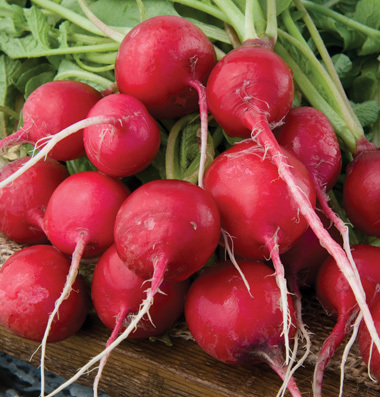
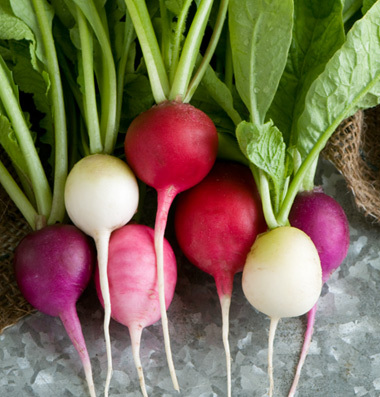
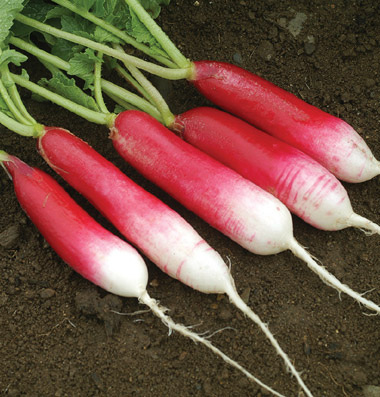
April to June and September to November Storage Tips Store up to 2 weeks Remove the tops and place the radishes in a plastic bag and put them in the refrigerator. Radishes will stay fresh in the refrigerator this way for up to two weeks. Culinary Tips Scrub radishes just before eating. The peppery flavor is most concentrated in the skin, so this can be peeled if the radishes are too pungent. Radishes can be served whole, chopped, or grated. For some added crispness, soak radishes in iced water for an hour before use. Use the radish tops in salads or cook them like other greens. Recipes Root 5 Farm Radish Recipes Radish Sandwiches with butter and salt Bibb and Radish Salad With Buttermilk Dressing Sauteed Radishes with Mint Buttered Leeks and Radishes Roasted Radishes with... Yogurt-Dill Dipping Sauce Spicy Quick Pickled Radishes Butter-Braised Radishes Radish Cucumber Salad Radish Salad with Yogurt and Cumin
In Season
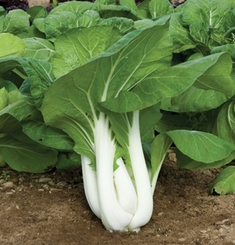
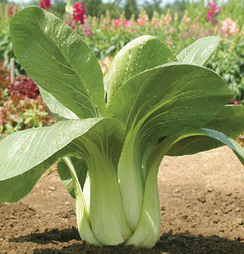
Spring and Fall Storage Tips Store up to 2 weeks Refrigerate in a plastic bag for up to two weeks Culinary Tips
Recipes Root 5 Farm Bok Choy Recipes Easy Bok Choy Bok Choy Salad with seasame soy dressing Shanghai Stir-Fried Noodles Stir-Fried Bok Choy with Ginger and Garlic Sautéed Bok Choy Baby Bok Choy and Beef Noodle Soup with Warm Spices Garlicky Sauteed Baby Bok Choy Bok Choy Salad with Sesame Soy Sauce Salmon with Hoisen, Orange, and Bok Choy Soba Noodles with Mushrooms, Cilantro and a side of Bok Choy
|
Vegetable Index
All
|

 RSS Feed

Root 5 Farm
Danielle Allen & Ben Dana 2340 US Route 5 North Fairlee, Vermont 05045 (802) 923-6339 [email protected] [email protected] |
|